
Engineering Quality
I prioritize maintainable architecture, clear code ownership, and predictable release workflows.
About
I build robust digital products by combining thoughtful UX decisions with practical engineering execution.
My name is Maksat Ylyasov, and I am a Full Stack Developer. I specialize in developing web applications, both front-end and back-end, and enjoy working with technologies such as React, Angular, NodeJS, Django to create robust and scalable applications.
I graduated with a Bachelor's degree in Electronics Engineering from Uludag University, and Master's degree in Electrical and Electronics Engineering from Marmara University. My technical expertise includes proficiency in several programming languages, such as JavaScript, Python, C/C++ as well as experience with databases, web servers, APIs, and frameworks such as React, Angular, Django, MongoDB, SQL. I am also well-versed in agile methodologies and have experience working in both Waterfall and Agile environments.
As a Full Stack Developer, I have a passion for creating seamless user experiences and solving complex technical problems. I love working in a collaborative environment and am always looking to learn new technologies and tools to enhance my skill set. In my free time, I enjoy reading about the latest trends in technology, attending meetups and conferences, and contributing to open-source projects. Thank you for visiting my page, and please feel free to contact me if you have any questions or if you are interested in working with me.
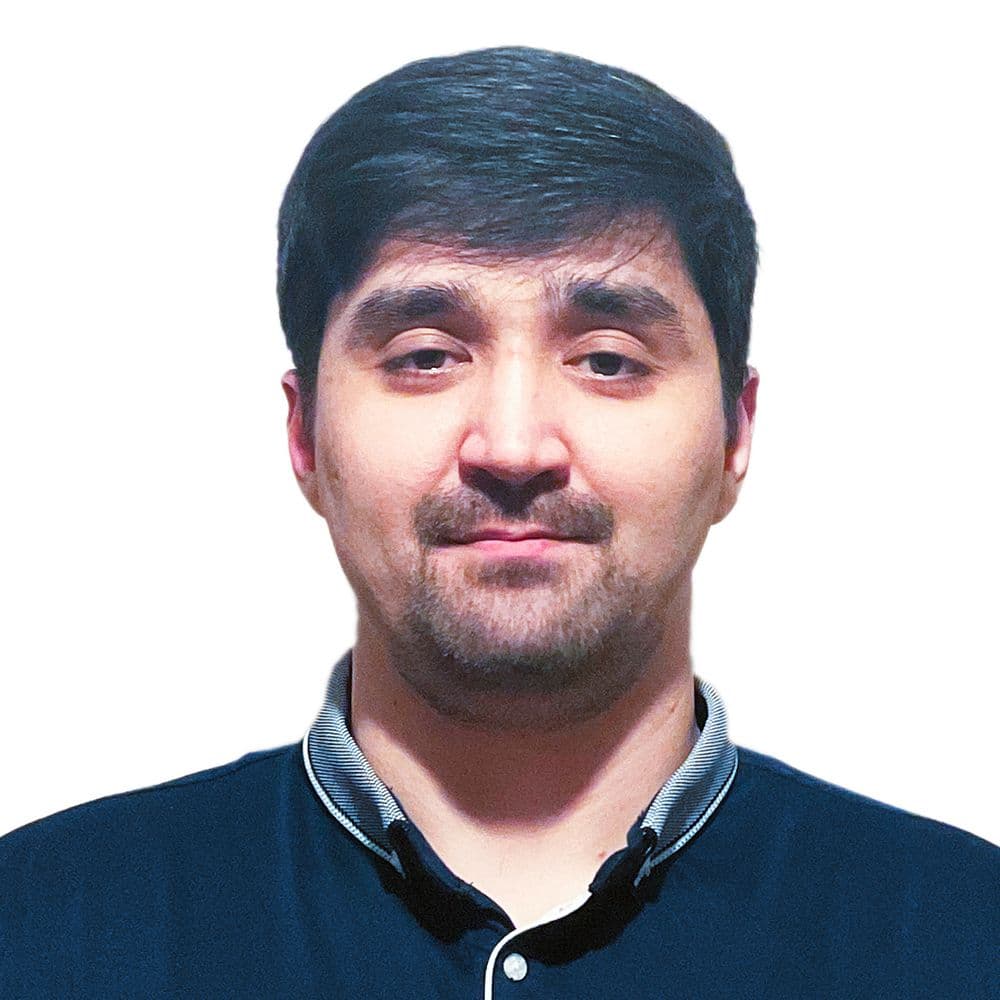
I prioritize maintainable architecture, clear code ownership, and predictable release workflows.
I align implementation decisions with user value, delivery speed, and long-term flexibility.
Education
Formal studies and focused learning paths.
Bachelor's Degree, Electronics Engineering
Sep 2008 - Jun 2013
Focused on software engineering fundamentals, algorithms, data modeling, and product development projects.
Master's Degree, Electrical and Electronics Engineering
Sep 2015 - Sep 2018
The main aim of the thesis is to achieve a low average stereo matching error rate in well-known and widely used stereo image pairs datasets like Middlebury and KITTI Vision Benchmark. All implementations regarding the method are done in C++ (mostly OpenCV library). Additionally, the machine learning part was carried out using OpenCV's library.
Skills
Grouped by focus area for quick scanning.